Tree Surveys for Planning and Construction
At The Tree Fella, we provide tree surveys for planning applications that are compliant with BS5837; ensuring you are legally and logistically compliant throughout your development.
- Pre-development Tree Survey
- Tree Constraints Plans
- Arboricultural Impact Assessments (AIA)
- Tree Protection Plans
- Arboricultural Method Statements (AMS)
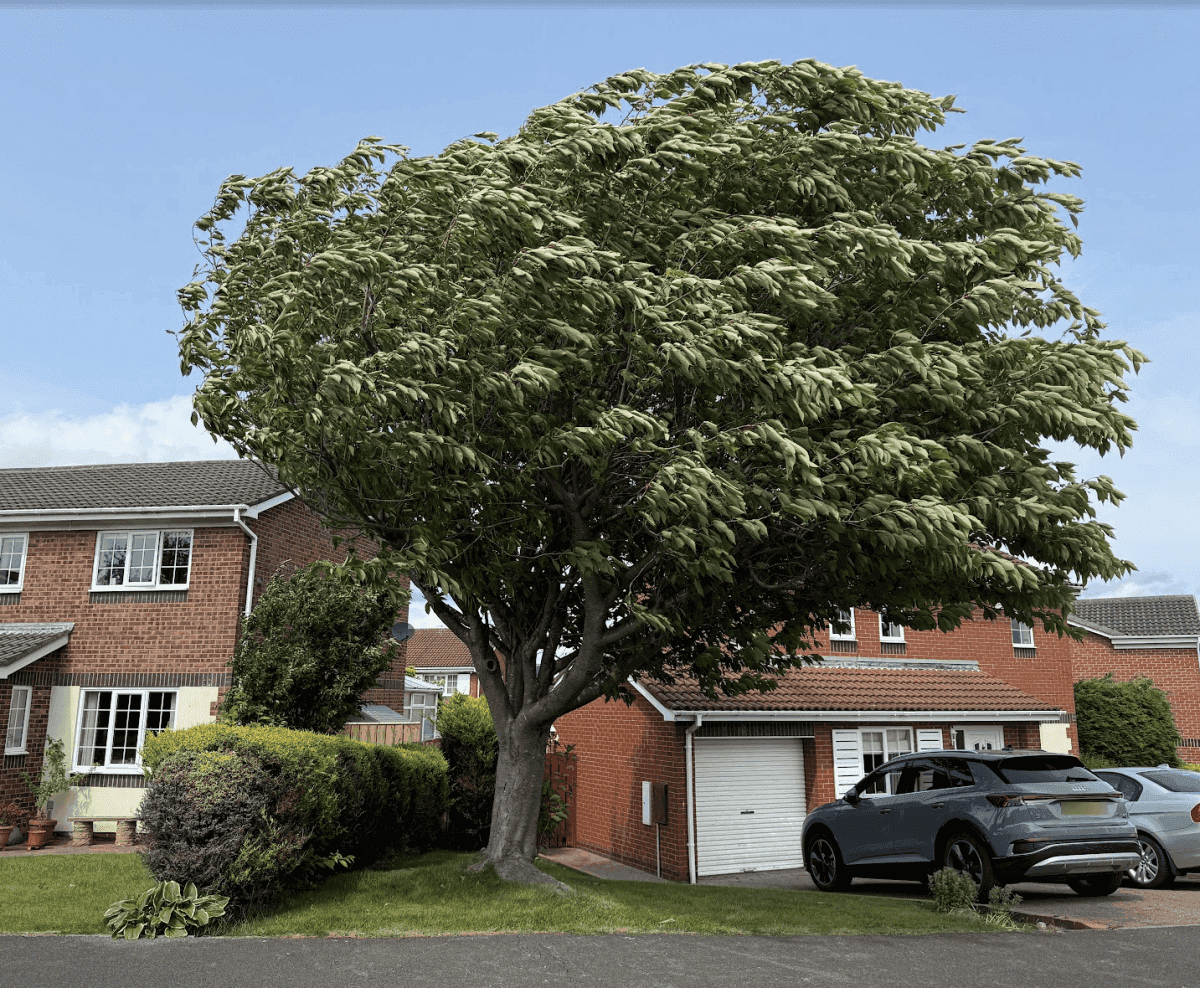
Our surveys, statements, and plans are fully tailored to comply with the national standard for Trees in Relation to Design, Demolition, and Construction; British Standard BS5837:2012.
We have plenty of experience working with homeowners, architects, planning consultants, and developers across South Tyneside, Sunderland, Gateshead, and Newcastle.
If you’re in the North East and need an arboricultural survey for construction, you know where to find your neighbourhood Tree Fellas. We’ll help you keep your build on track.
Pre-Development Tree Surveys
Our pre-development tree surveys are conducted before any groundwork has taken place. The BS5837 tree survey is used to identify and record all of the trees present on or near your development site – something we carry out regularly for BS5837 surveys in Newcastle and BS5837 surveys in Northumberland. If you’re wondering, ‘What is an arboricultural survey?’ — it includes;
- Tree identification and numbering: Each tree (or group of trees) will be assigned a unique reference number for easy identification and cross-referencing.
- Tree position mapping: All trees will be plotted on a site plan to show their exact location.
- Age classification: Your trees will be categorised by their life stage, providing useful information about longevity and future on-site value.
- Health condition: We’ll look at each tree’s overall health, looking for signs of disease or stress. This helps us identify which trees are at highest risk of failure during or after construction.
- Structural integrity: Our arborists will check each tree’s structural condition, identifying any defects like leaning, cracks, or visible root damage.
- Retention category allocation (A–U): Each tree will be assigned to a retention category based on its quality, health, and life expectancy.
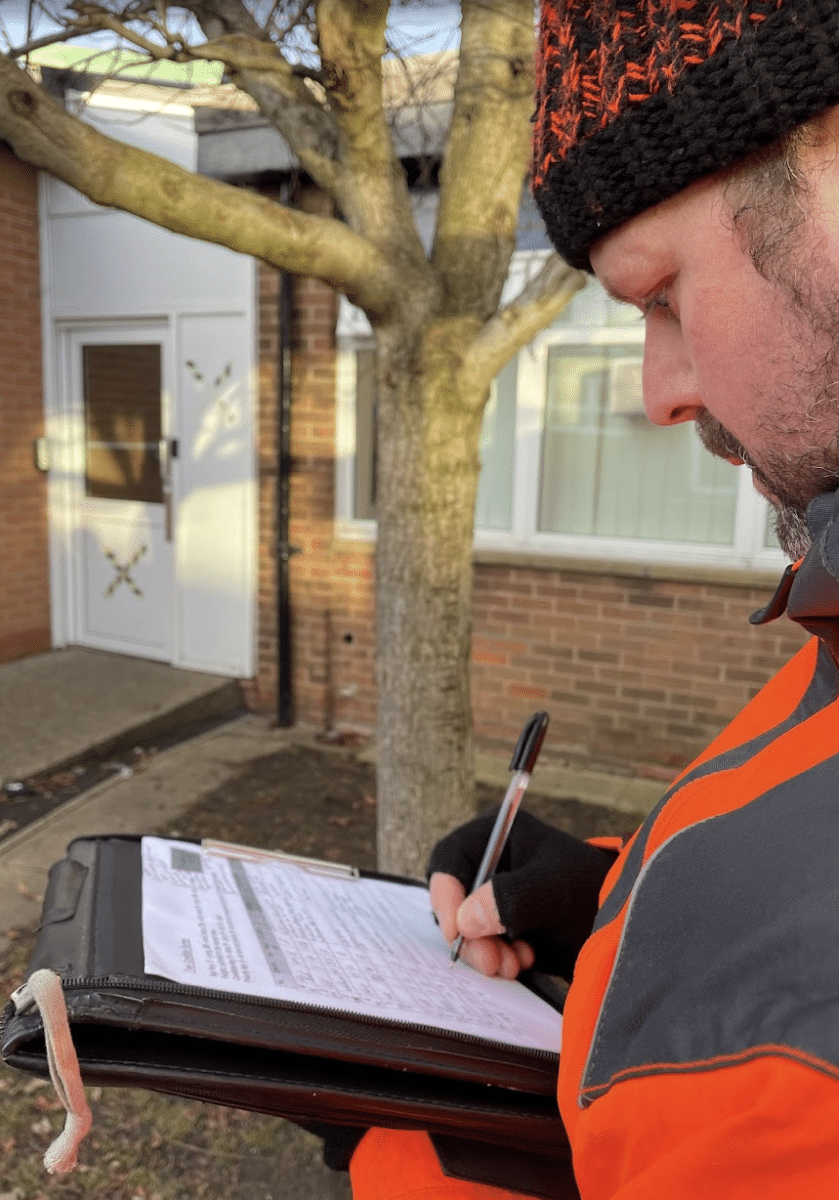
All of this data will then be summarised into a schedule for use throughout the design and construction process. For the trees you’d like to keep, we will later recommend the measures you need to take to protect them during construction. For the trees that need to be cleared, we can also provide our tree felling services.
We are The Tree Fellas, after all 😉.
We are Insured, Accredited & Recommended!
We deliver an accredited professional and compliant service.
We respect our staff & our staff respect our customers.
Ask around and we’re confident your neighbours will recommend us!
Tree Constraints Plans
Our Tree Constraints Plan service offers scaled drawings based on a pre-development tree survey for use during the early design phase of a development. These are used to inform the position and design of a tree friendly development scheme.
In our Tree Constraints Plans, we cover:
- The positions of any on-site trees and their canopy spreads
- The position of any off-site trees that could impact, or be impacted by, the development
- The position of Root Protection Areas (RPAs) to be aware of
- The retention categories of the trees
- Any existing site constraints, such as overhanging limbs, canopy influence zones, structure conflicts, and poor ground conditions that could affect tree health
The goal of a Tree Constraints Plan is to highlight any physical and biological constraints that the trees may pose to your development.
These plans are well worth the investment, as they can help you ensure a compliant design, protect trees from harm, and reduce the risk of planning proposal refusals. Most importantly for you; we’ll help design a scheme that’ll be approved; after all these are normally a planning validation requirement!

Arboricultural Impact Assessments
If your site design and layout are ready to go, we’ll overlay your proposed layout on a plan of the tree locations and work to produce an Arboricultural Impact Assessment (usually shortened to AIA).
Our impact assessments will assess how your planned construction may impact any trees in the area and we’ll look at:
- Direct and indirect impacts on tree health
- Trees requiring removal or pruning
- Changes to soil or ground conditions
- The likelihood of tree retention
It’s well worth having an Arboricultural Impact Assessment done, because if your plans risk harming protected or high-value trees, we can help you find a better root forward.
It’s worth noting that AIAs are usually a requirement of planning authorities where trees are present on or near a development site.
Tree Protection Plans
Our Tree Protection Plans are designed to show you exactly how trees will be protected throughout the construction phase of a development project. They’re usually submitted for planning approval alongside an Arboricultural Impact Assessment.
We’ll recommend a variety of on-site protection measures to protect your treasured tree’s roots, trunks, and canopies, including:
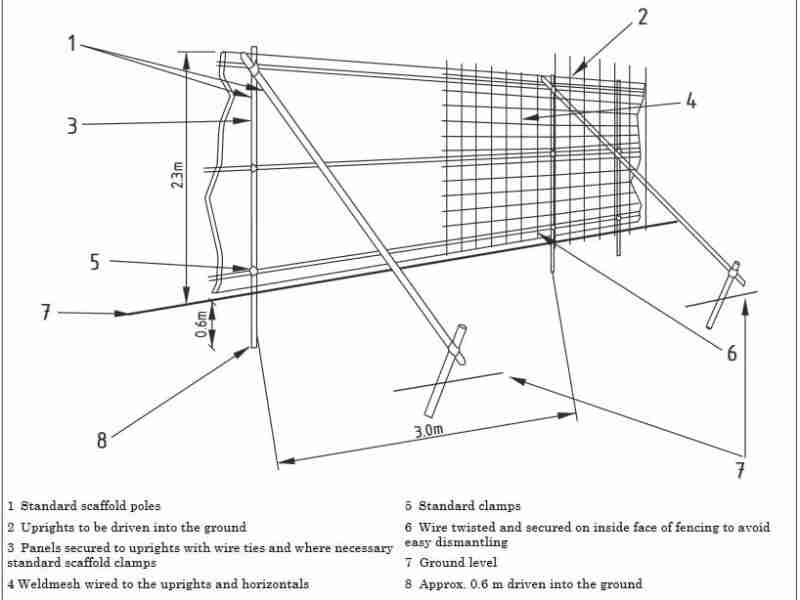
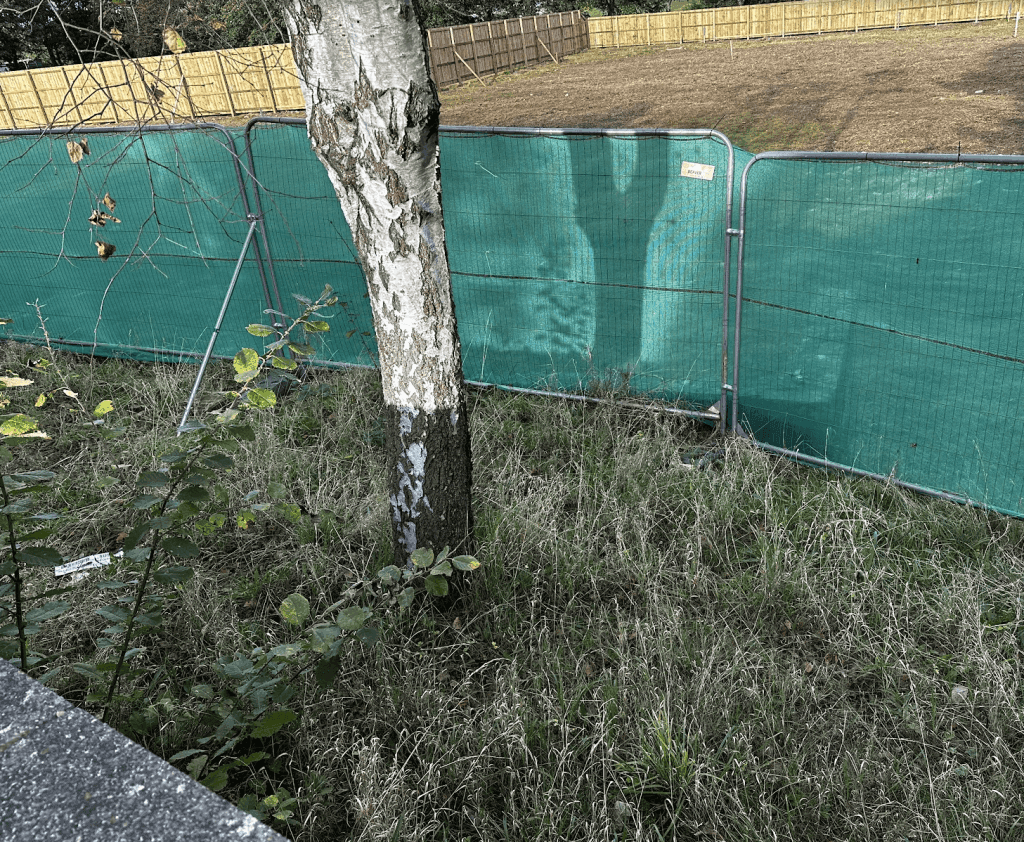
- Protective barrier fencing
- Construction exclusion zones
- Ground protection measures
- Access route planning
- Materials storage and mixing
- No-dig construction zones
- Welfare facility placement
- Plant and heavy machinery access
This plan is your ticket to ensuring any trees on site are physically protected BEFORE construction begins.
“Quick and hassle-free service from initial enquiry… they took their time listening to what I wanted… Super impressed and I’ve gone from disliking to loving the tree…”
Lynsey J. Reay – East Boldon
Arboricultural Method Statements
Our Tree Protection Plans provide information on what you should do, but our Arboricultural Method Statements (AMS) tell you exactly how to do it.
An Arboricultural Method Statement outlines, through comprehensive statements and diagrams, exactly how your construction has to be carried out around trees, ensuring they are not harmed.
We provide AMS documents that are detailed, site-specific, and fully compliant with BS5837:2012 — a practical guide for all working on your site. It can often be outlined; with the final document being conditioned as part of a planning consent; either way, you’re going to need one!
This is a key document to getting planning consent or satisfying planning conditions.
Get in touch for tree surveys for planning today
Whether you need the assistance of a tree surgeon in the North East or a commercial tree surgeon in Sunderland, let our expert team provide you with peace of mind when it comes to your development.
Our surveys, assessments, and reports are designed to ensure you remain legally compliant, increase your chances of obtaining planning permission, and also provide the care and attention that all trees deserve!
Book online today, email hello@thetreefella.co.uk, or call us on 0191 432 6167.