
Even when given the greatest of care, trees can suffer from a range of diseases. Whether it’s an oak tree that’s looking a bit worse for wear in the garden or diseased fruit trees in an orchard, knowing how to spot early symptoms can help you get the best treatment.
Let’s take a look at how to identify some of the most common types of tree diseases in the UK, what causes them, and — most importantly — how to save a diseased tree.
Our tree disease identification guide
Changing weather patterns and an increase in pests in the UK mean that tree diseases can mutate and spread more quickly than ever before. Cases of apple tree disease, ash tree disease, cherry tree disease, and oak tree disease are becoming increasingly common.
While we might not be able to cover all plant pests and diseases that could impact the tree species present in the UK, what we can do is offer a quick overview of the most common tree diseases. That way, if you see any discolouration, strange marks, or dead leaves, you’ll know whether it’s time to call in some expert help.
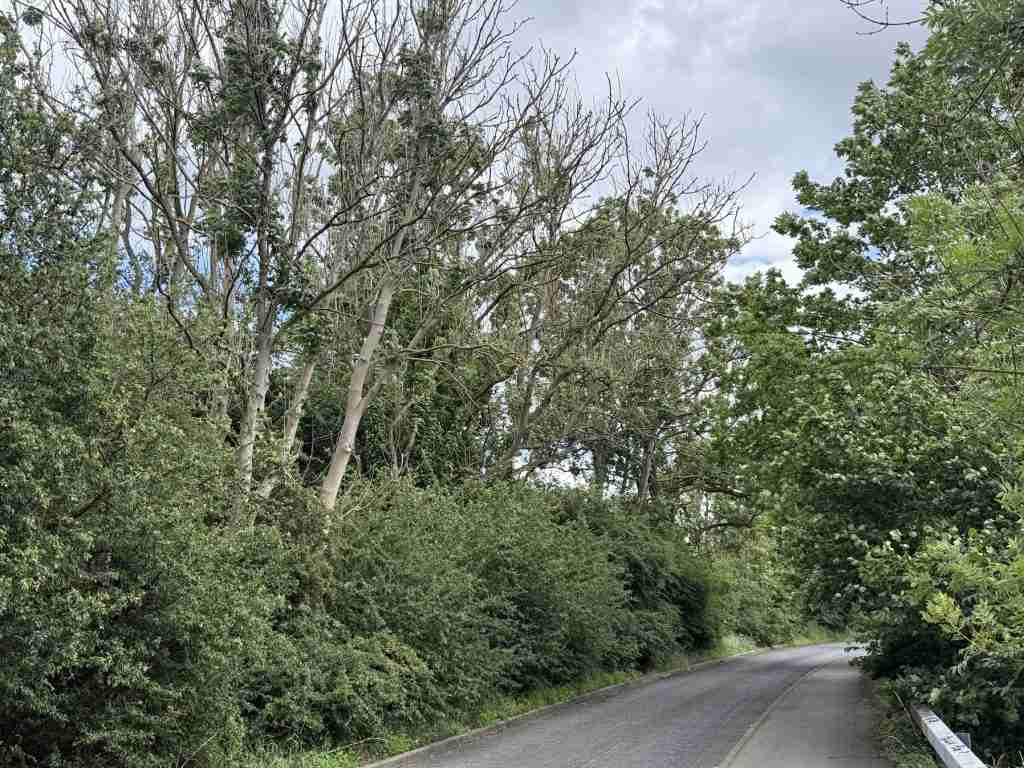
1. Ash Dieback
Ash Dieback is caused when airborne fungus spores enter the trees’ essential life systems — usually through their leaves and soft shoots.
From the leaves, the fungus travels and penetrates the branches and bark, causing damage throughout the entire tree. Ash Dieback is one of the most aggressive ash tree diseases found in the UK, and identifying it early is the best way to prevent irreparable damage.
How to spot Ash Dieback
Remember to keep an eye out for the following symptoms of Ash Dieback:
- Inner bark that is brown or grey in colour
- Green leaves that darken, blacken, and wilt
- Crown thinning
- Dark, diamond-shaped patches on the tree’s trunk, bark, and branches
2. Sweet Chestnut Blight
Sweet Chestnut Blight is another disease caused by a fungus. This disease isn’t caused by beetles, however. Instead, the fungus sneaks in through small cuts and fissures that occur naturally on the tree’s bark.
Once the fungus has established itself, it eats around the width of its trunk, eventually destabilising and killing the tree.
How to spot Sweet Chestnut Blight
Sweet Chestnut Blight may cause your tree to have:
- Orange residue within the bark
- Branches that wilt and crack
- Leaves that die and don’t fall off
- Discoloured, new branches and shoots that don’t turn green
- Orange growths on the outside of the bark
3. Plane Wilt
Plane Wilt can also find its way into a tree through the natural cuts and gaps within a tree’s bark. Plane Wilt is caused by a pathogen parasite.
Once it’s invaded, this parasite will eat through the soft layers of bark. It blocks the plane tree’s natural pathways for transporting light and energy, both of which are essential for keeping it alive.
How to spot Plane Wilt
Plane Wilt may appear in the following ways on your tree:
- Orange and purple growths on the outside of the bark
- Thin and fragile yellow leaves at the crown
- Leaves wilting on one branch at a time
4. Silver Leaf
Silver Leaf is a type of fungal disease that is caused by the fungi Chrondostereum purpureum. This type of disease often occurs as a result of pruning, and infects through wounds.
Leaf silvering typically takes place during the summer period, and the fruiting bodies tend to form in late summer.
How to spot Silver Leaf
If your tree is suffering from Silver Leaf disease, you may notice the following warning signs:
- A silvery sheen may develop on the leaves, and the affected branches die
- Bracket-shaped fungi may appear on older, dead branches
- Affected branches may have an irregular, dark strain in their centre
When are diseased trees dangerous?
Generally, when a tree disease compromises the tree’s structure, it could be dangerous. It may become unbalanced and unstable, as well as vulnerable to breaking and falling without warning, increasing the risk of injury and surrounding property damage.
Trees can be misleading — they may look sound from the outside but be structurally weak and broken inside. A sudden storm or accidental knock could send them crashing down.
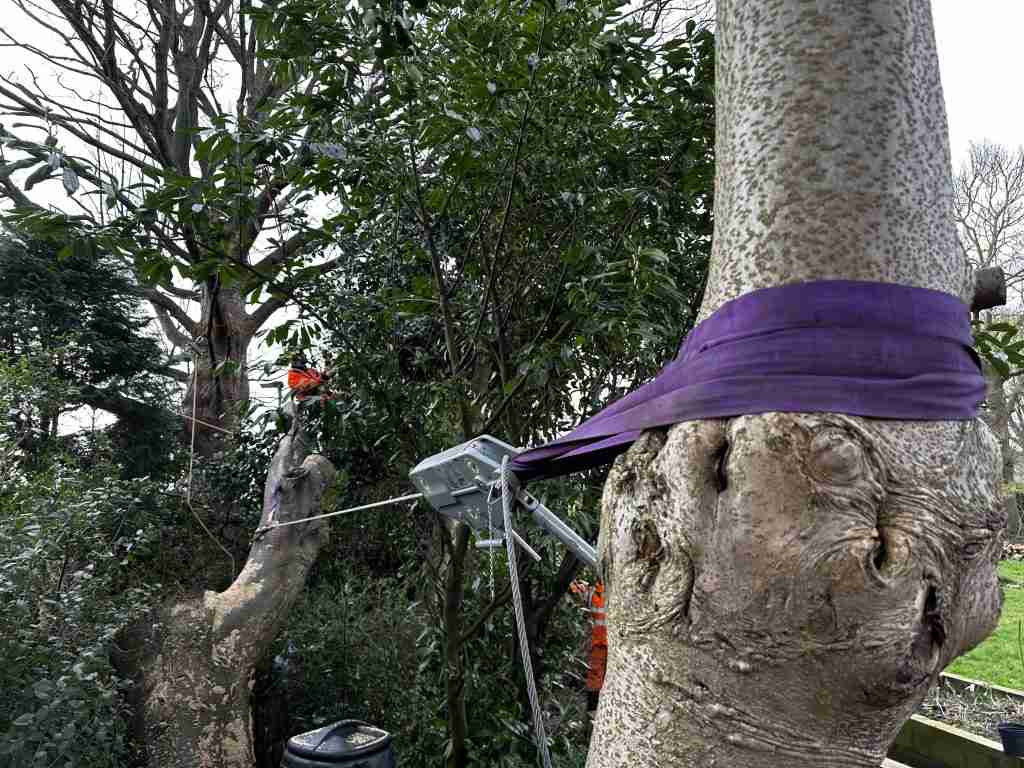
Specialist tree removal methods may need to be in place to assist in removing these trees. That’s why it is super important to call a professional.
Tree disease treatment
Our preferred method is to treat and save trees and plants without using potentially harmful fungicides or chemicals.
Hedge trimming, tree pruning, and removing areas of diseased bark can also prevent the problem from spreading.
If these methods don’t do the trick, we have a range of fungicidal, chemical, and injectable treatments available. These can be applied both internally and topically to your tree to target the disease.
If the tree disease has taken its toll and your tree is severely damaged, the only solution may be to cut it down permanently. As arborists, this is not a decision we take lightly, and it is always a last resort. However, it is something we can definitely do with our safe tree removal and stump removal services.
Trust in The Tree Fella — the highest-rated tree surgeons in the North East
If your tree is showing signs of disease, it’s probably time to call a tree specialist for tree disease treatment services and commercial tree services.
Here at The Tree Fella, we take pride in our expertise and professionalism, and are proudly accredited by The Arboricultural Association, showcasing our dedication to the health and welfare of all varieties of trees, shrubs and plants.
It will always be our priority to treat and save your trees whenever possible. Get in touch to learn more about our services.