
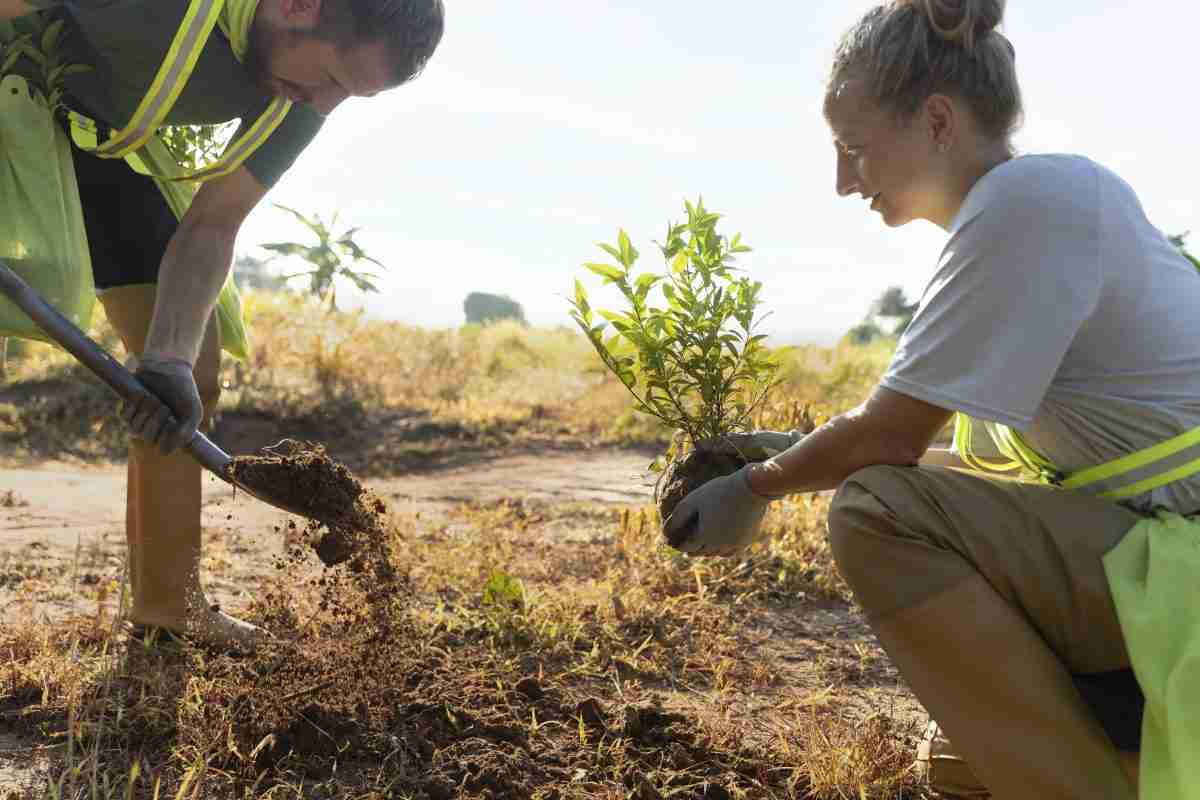
So, you want to plant a tree, but you have no idea where to start. Don’t fret, the experts at The Tree Fella have got you covered with this tree planting guide.
What are the benefits of planting trees and fruit trees?
Did you know that having easy access to nature and greenery at home or work can improve mental health and wellbeing? Tree planting can also improve local air quality and improve soil conditions — and that’s even before we mention how good a healthy tree looks.
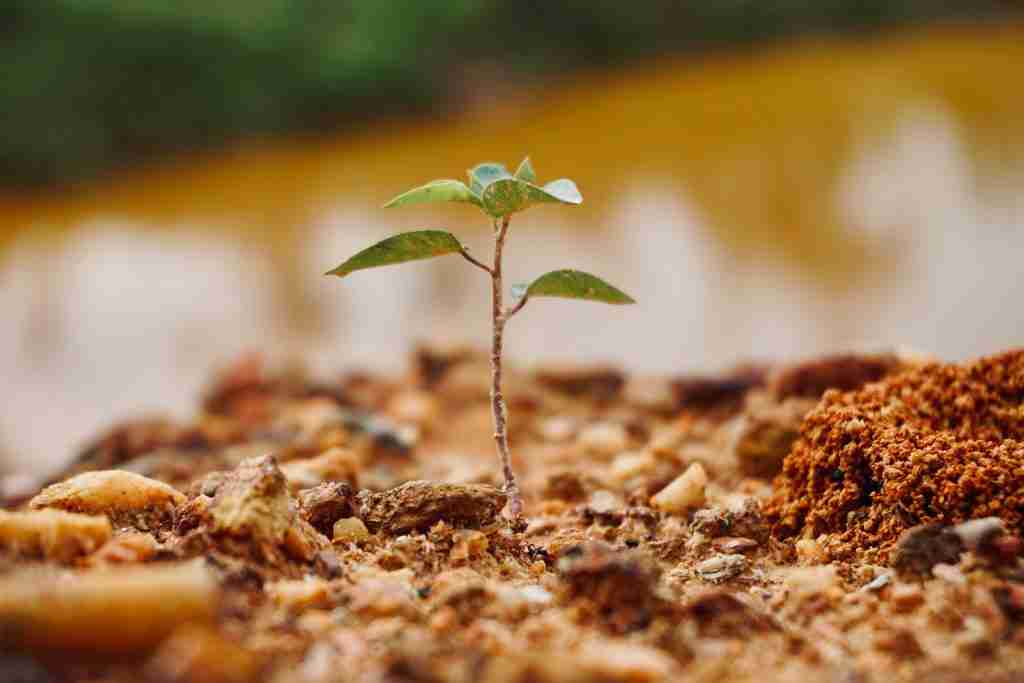
Planting trees in a garden: Which type of tree is best?
If you want to get stuck right in, these trees are considered easy to plant, grow, and maintain. These species are also all native to the UK.
- Rowan – A pretty tree that will attract the eyes of passersby and local wildlife. They can thrive in a mixture of different soils.
- Hazel – A hardy, happy tree that can tolerate all the UK’s different weathers. They can be planted as an individual statement tree or as part of a privacy hedge.
- Silver Birch – with the prettiest bark and lightest canopy, this is a great starter tree that likes to be in the company of other smaller plants and shrubs.
- Fruit trees – These are always popular and widely available. You’ll have to wait for a bit though if you fancy a snack mid-plant!
Location, location, location: Where to plant your tree
A minimum distance of 5 metres away from any building is usually perfect for planting a tree. This distance ensures that your tree is in a safe location and well protected, allowing it to grow (hopefully) undisturbed. It’s worth seeking the advice of a professional arborist though; as some species can be more problematic than others and having a proper planting assessment might save you a headache in the future.
It’s important to remember:
- Trees can grow at pace when cared for, and change in shape and size when they mature.
- You’ll want to keep your tree away from any (or causing any) potential hazards, like power lines, buildings, and road edges.
- Roots can thicken, spread, and potentially wrap around or work into already damaged underground utilities, such as a cracked drain or sewer pit.
Keeping this in mind can prevent you from needing tree removal services in the future.
If you want to plant more than one tree…
The more trees that are planted and loved in our local areas, the better. However, you need to be aware of how you space out your trees in relation to each other. Planting trees too close together can restrict their access to air and light flow, increasing the risk of pests which can cause tree diseases.
Stick to these boundaries if you’re planting…
- Small trees such as conifers and magnolias: 3 metres
- Medium trees that include most fruit trees and birches: 6 metres
- Large trees like your oaks and sugar maples: 9 to 15 metres
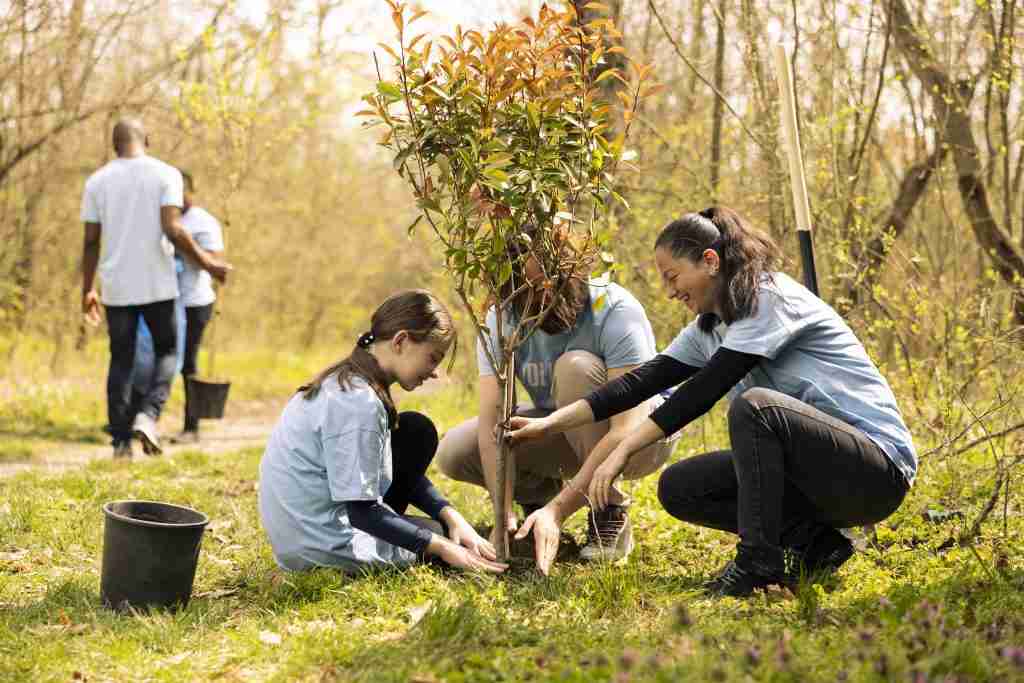
How to plant a tree: step-by-step
Follow these steps, and before you know it, you will be standing with pride next to your newly planted tree.
1. Gather your equipment
It’s a good idea to gather all the tools and equipment you’ll need first.
- Your tree of choice
- A strong spade and fork
- Mulch and compost
- A bucket of water for pre-soaking the roots
- Access to a hose or a large watering can
- A tree stake, a small mallet, and a tree tie
- A nice cup of tea for motivation
2. Soak your rootball
Soak your rootball (the compacted mud area at the bottom of your tree that contains the roots) in a bucket of water. Doing this will help when planting bare root trees. It loosens and prepares the root ball, making it easier to remove your tree from its casing.
3. Prepare your hole and insert the tree
Dig your hole so that it is as deep and 3x wider than your tree’s rootball. Remove the tree and the rootball from any casing and packaging and place them in the hole.
Don’t forget to check that the top of the rootball is level with the top and surface of the hole. Feel free to adjust the position of the tree so that you’re happy with the way it faces.
4. Fill in the hole
Carefully fill in the hole around your tree with soil and compost. When filled, use a spade or your heel to pack down the soil. You don’t want any spaces where pockets of water or air can collect within the soil.
5. Give it a good watering and mulch
Your tree’s rootball will need a good drink after being planted. It’s not just hard work for you, you know!
Add a generous layer of mulch over the top of the soil surface. The mulch will offer some protection against weeds and also help retain moisture.
6. Keep it safe and sturdy
Adding a tree stake and a tree tie will keep your tree upright and keep it supported in position as it grows.
Top tree planting tip: Your stake will work best if it’s inserted at a 45-degree angle against your tree trunk.
Remember that your tree tie will need loosening as your tree grows and matures, until your tree is strong enough and established enough to stand tall on its own.
You can also use tree guards and spirals around the base of your tree to deter pests and wildlife from eating the fresh bark and branches.
7. Stand back and be proud
Congratulations — you’ve successfully planted a tree! And hopefully it won’t be your last time. Watch it grow, and be filled with pride.
8. Protect and maintain
A tree that is well looked after will thrive. Keep your tree watered regularly, especially during hot and dry weather.
Top up the surface mulch frequently, and look for signs of pests or unusual markings on its leaves, branches, and bark.
Keep your new tree looking its best with The Tree Fella
At The Tree Fella, we take pride in our expertise and professionalism and are proudly accredited by The Arboricultural Association.
Trust in us for a variety of arborist services across the North East, including commercial tree services, hedge trimming services, stump removal, tree pruning, and more.
Contact us today.